The Franc Rises When the World Panics
When markets take fright, money runs to the Swiss franc. A century of neutrality, surpluses and low inflation built that trust, but being the world's piggy bank is also a burden.
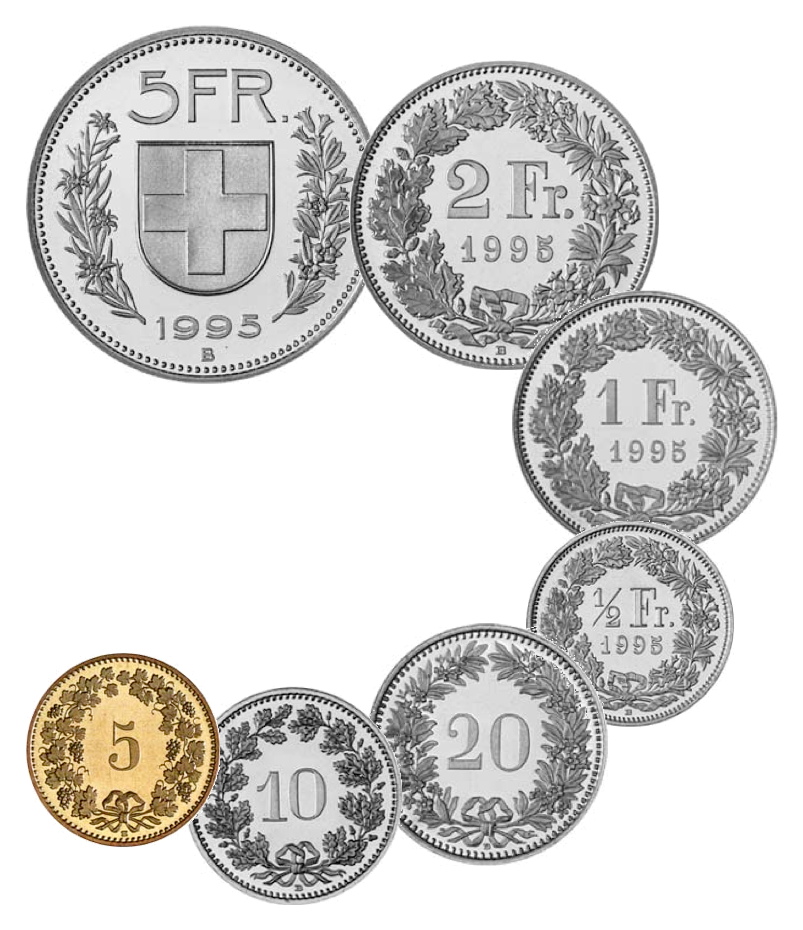
When markets panic, traders reach for a few safe places to park their money until the storm passes. One of them is a currency printed by a country of under nine million people: the Swiss franc. A war, a crash, a banking scare somewhere in the world, and the franc tends to climb. The chair of the Swiss National Bank, Martin Schlegel, has put it simply: whenever there is uncertainty, the franc rises.
What makes money run to the franc
A safe-haven currency has to earn the name, and the franc has spent a century doing it. Switzerland has been neutral since 1815 and avoided the wars that wrecked its neighbours. It runs a steady surplus with the rest of the world, so it does not depend on foreign lenders. Its central bank has an almost spotless record on prices: over the past twenty years the franc has lost value at an average of well under one percent a year, a fraction of the dollar’s rate. And for most of the twentieth century the franc was backed by gold, by law, a habit of hardness that outlived the gold standard itself.
Put those together and you get money people trust to still be worth something after the crisis passes. That is the whole job of a safe haven.
Why a safe haven is also a headache
Here is the part that surprises people. Being the world’s piggy bank is not an unmixed blessing. When frightened money floods in, it pushes the franc up, and a strong franc makes Swiss watches, machines and medicines more expensive abroad. Every time the world gets scared, Swiss exporters feel it in their order books. That is why the SNB spends so much energy, and sometimes so much money, trying to stop the franc from rising too fast.
For an ordinary person in Switzerland, though, the strong franc is mostly a quiet gift. It keeps the price of imported food, fuel and holidays down, which is a big reason Swiss inflation stays among the lowest in the rich world. The same strength that worries the export bosses protects the spending power of everyone who earns and shops in francs. A currency the world runs to in a crisis is, in the end, a vote of confidence in the country behind it, and that confidence is worth more than any single quarter’s export pain.