The Tax Deal That Draws the Rich to Switzerland
Switzerland can tax rich foreigners on what they spend rather than what they earn. The deal, and the way its cantons compete for the wealthy, is one reason the global rich keep arriving.
Switzerland has an unusual offer for rich foreigners who move in and do not work here. Instead of taxing what they earn around the world, it can tax them on what they spend. It is called lump-sum taxation, or by its French name, forfait fiscal, and it is one reason the global wealthy keep arriving.
A tax based on your lifestyle, not your income
The idea is simple, even if the details are not. A qualifying foreigner agrees a tax bill with the canton based on their cost of living in Switzerland rather than their real worldwide income. In practice the base is often set at five to seven times the rent they pay, with a federal floor of a few hundred thousand francs. Someone with a vast global fortune but a modest Swiss lifestyle can end up paying far less than ordinary income tax would demand.
The rules keep it for outsiders. You generally qualify only if you are a foreign national, moving to Switzerland for the first time or after a long absence, and not working here. The moment you take a Swiss job, the deal ends.
Why the cantons compete for the wealthy
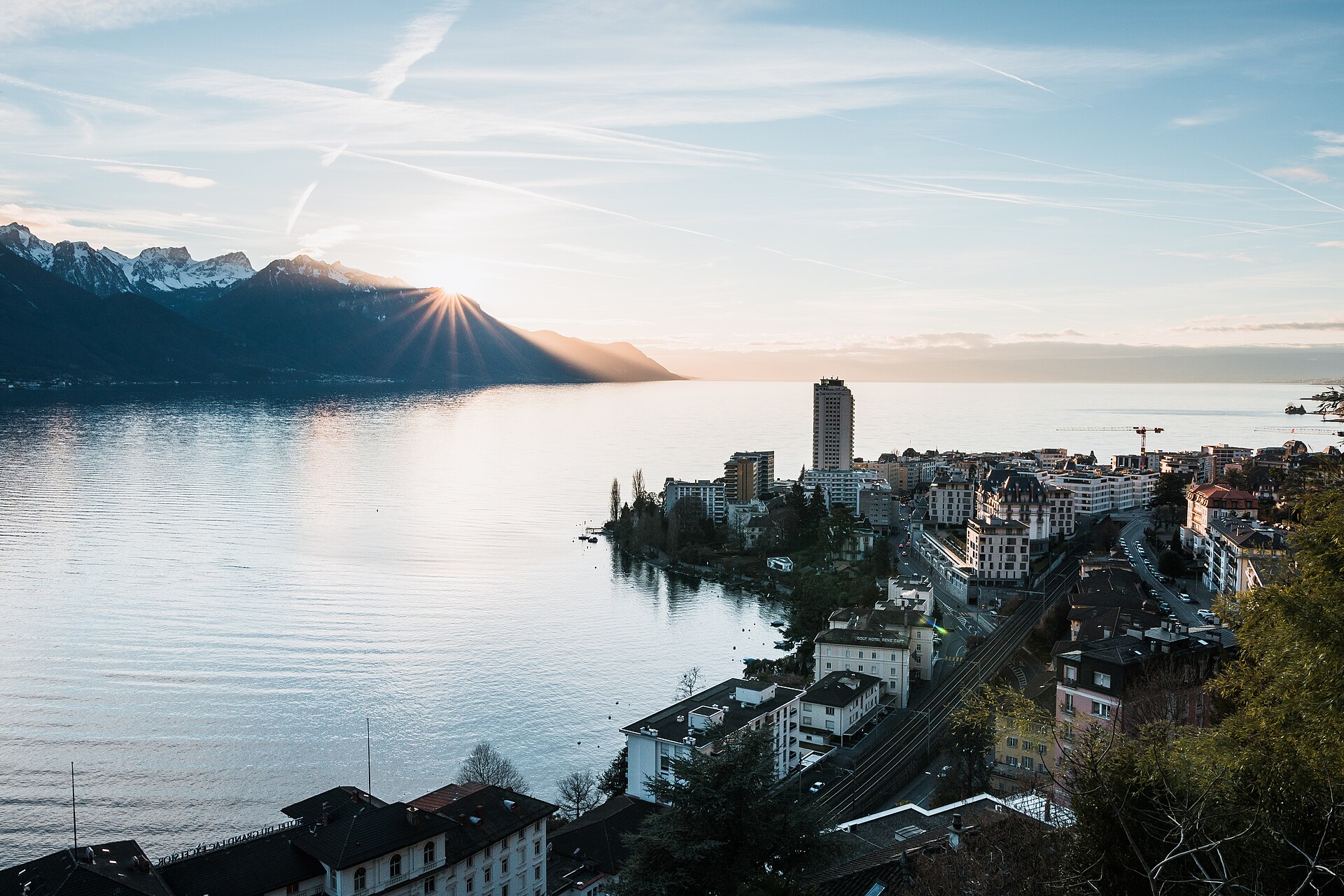
Here is what makes it tick, and it is very Swiss. Tax is largely set by the cantons, the 26 states that make up the country, and they compete. A wealthy family that dislikes one canton’s terms can shop for another, and places such as Vaud, Valais and Ticino have made themselves welcoming. Not everyone approves. Zurich put the arrangement to a public vote and abolished it in 2009, deciding the discount was unfair.
That competition is the heart of the Swiss tax model. Because money and people can move between cantons, no single government can push rates too high without watching its taxpayers leave. It keeps the whole country’s taxes low and its governments careful with money.
For all the unease it stirs, the arrangement is not a hidden loophole. It is a published, negotiated deal, and the taxes it brings in are real money that funds cantonal schools, roads and hospitals. A canton that lands a few very wealthy residents can ease the burden on everyone else. Switzerland decided long ago that it would rather have the rich living inside its borders, paying something and spending a lot, than admire them from a distance. On its own terms, the bet has paid off.
Sources
- Taxation in Switzerland, Wikipedia
- Swiss lump-sum taxation: a guide for wealthy arrivals, Taxolution Advisory
- Switzerland's lump-sum tax: the forfait fiscal, GLMB