Switzerland's Quiet Trillion-Franc Money Pile
The biggest pool of money in Switzerland does not belong to the banks or the central bank. It belongs to ordinary workers, saved up in their pension funds, and it passed a trillion francs years ago.
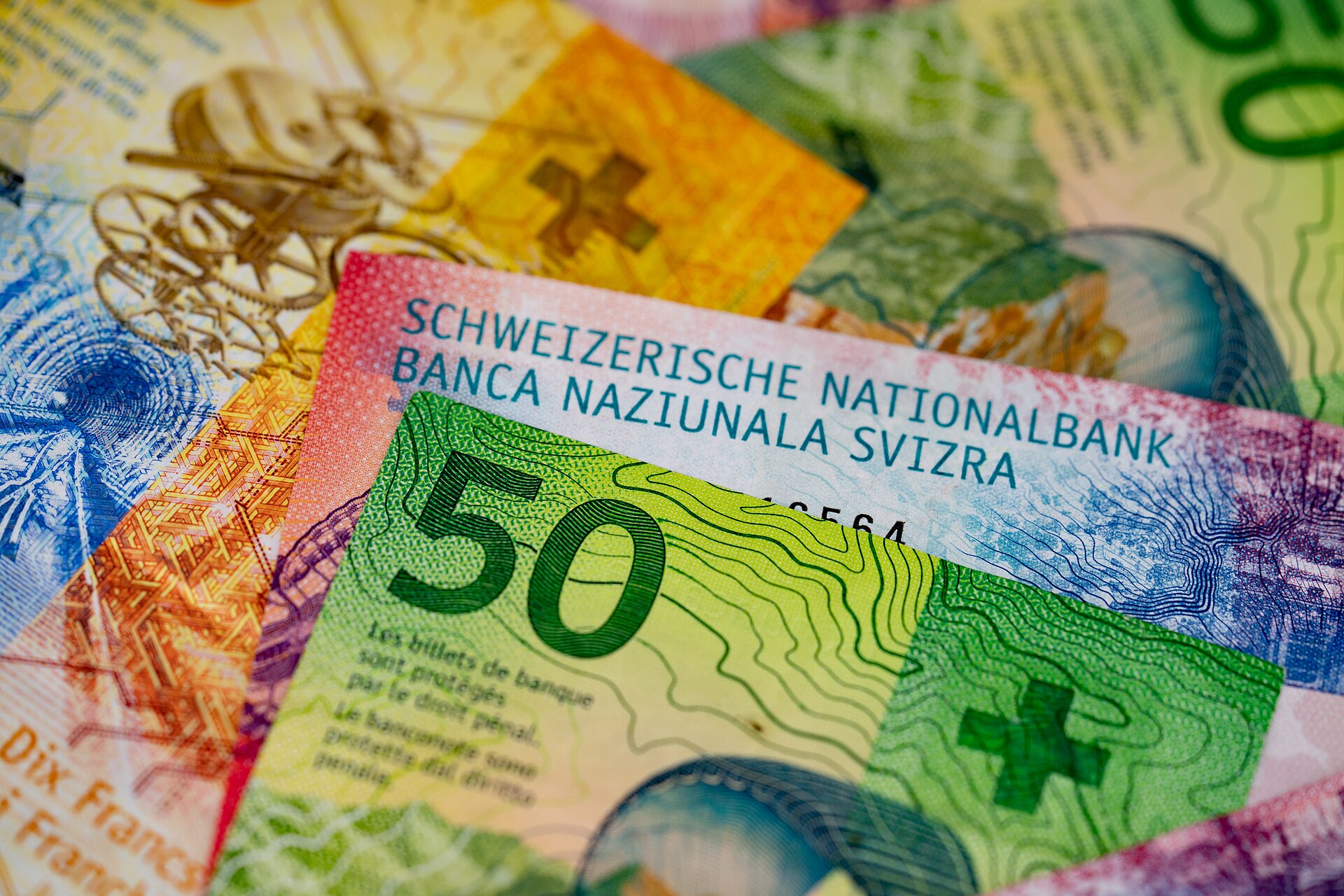
The biggest pile of money in Switzerland does not belong to the banks, or to the central bank. It belongs to ordinary workers, and it sits in their pension funds. By 2016 Switzerland’s workplace pension savings passed one trillion francs for the first time, more than the country’s entire yearly output and more than the Swiss National Bank’s reserves at the time. It has kept growing since.
The three pillars, in plain terms
Switzerland looks after retirement in three layers, a design approved by a national vote in 1972 and written into the constitution. The first pillar is the state pension, a basic safety net that today’s workers pay into to support today’s retirees. The second pillar is the big one: a workplace pension, paid into by you and your employer over your whole career, invested, and saved up in your name. The third pillar is your own private saving, encouraged with tax breaks.
The second pillar is where the trillion francs sits. Unlike the state pension, it is not a promise paid out of next year’s taxes. It is real money, invested and set aside, with a slice that belongs to each worker.
Why a funded pension beats a promise
This is the quiet strength of the Swiss system, and it is worth understanding. Many countries run pensions mostly pay-as-you-go: today’s workers pay today’s pensioners, and the whole thing rests on there being enough young workers tomorrow. As populations age, that promise gets harder to keep.
Switzerland leans instead on money that is actually there. Because the second pillar is funded, a worker’s retirement is largely pre-paid rather than borrowed from the next generation. That makes the system steadier as the population grows older, which everywhere’s is.
It is not perfect. Years of low interest rates squeezed the returns these funds earn, and arguments about how much each retiree should get are a permanent feature of Swiss politics. But a country that has quietly saved up more than a year’s worth of its own economy, in its workers’ names, has given itself a cushion most of the world would envy. The largest fortune in Switzerland is not a banker’s. It is the retirement of everyone who works there.
Sources
- Occupational pensions, a hidden Swiss treasure, SWI swissinfo.ch
- Pension system in Switzerland, Wikipedia
- The 3-pillar system simply explained, True Wealth