The World's Gold Runs Through Switzerland
Switzerland mines almost no gold, yet much of the metal dug up around the world is sent here to be refined and stamped, which makes a small country the trusted centre of the global gold trade.
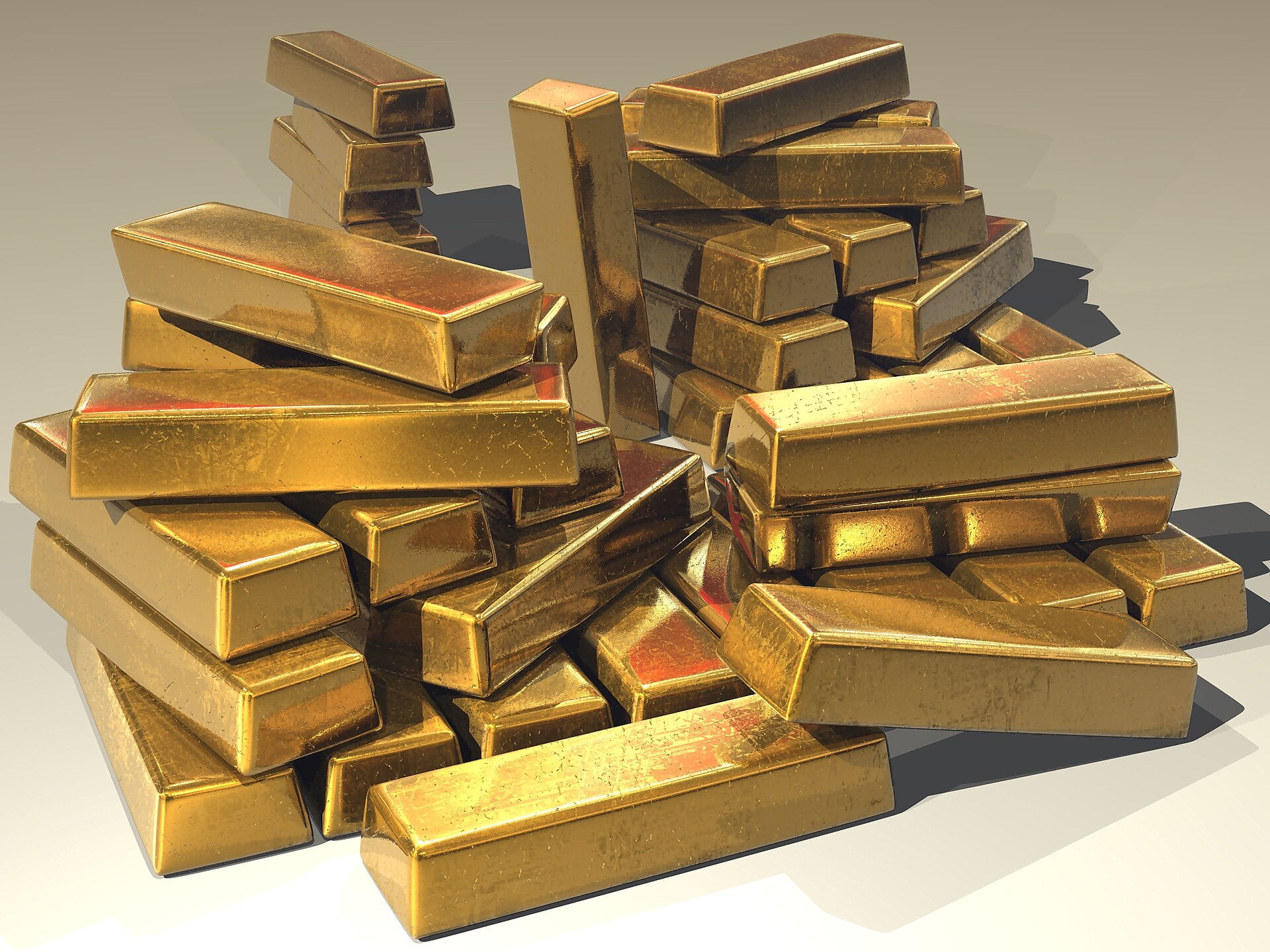
Open a bank vault almost anywhere in the world and the gold bars inside may carry a Swiss stamp. For a country with no gold mines of its own, Switzerland sits at the centre of the global gold trade. Much of the metal that is dug up around the world is shipped here to be melted, purified and recast into fresh bars, then sent back out.
How much? Estimates vary a lot, from about a third to as much as three quarters of the world’s newly refined gold, depending on who is counting. The US Geological Survey once put it near 75 percent. Industry figures are more modest. Either way, no other country comes close.
A country with no gold mines
Switzerland does not mine gold in any real amount. What it has instead is refining. Four of the world’s biggest gold refineries sit in one small corner of the country. Valcambi, Argor-Heraeus and PAMP are all in the Italian-speaking canton of Ticino, and Metalor is in Neuchâtel. Valcambi, in the town of Balerna, is often called the largest precious-metals refinery on earth.
These are the places that turn messy raw gold, from mines, old jewellery and scrap, into the clean bars that banks and central banks will accept. A Swiss refiner’s stamp is one of the most trusted marks in the business.
Why the refiners cluster near the Italian border
The location is not an accident. Ticino sits on the old route up from Italy, a historic centre of gold-working, and the refineries grew up near that border and that skill. Add Switzerland’s stability, its discretion, its strong logistics and its long link to gold through the Zurich banks, and the country became the natural place to send metal to be cleaned and certified.
That concentration carries a burden the industry has had to face. If most of the world’s gold passes through a handful of Swiss refineries, those refineries also decide, in practice, how clean the supply chain is. Gold can come from conflict zones or illegal mines, and Swiss refiners have been pushed to prove their metal is sourced responsibly.
That pressure is also the opportunity, and the hopeful part of the story. Because so much gold runs through Switzerland, its refiners and their rules have become a global filter. When they tighten their standards on where gold may come from, the effect reaches mines on the other side of the planet. A country with no gold of its own ended up holding the stamp the whole world trusts, and more and more, the conscience of the trade as well.
Sources
- The Mineral Industry of Switzerland (gold refining share), US Geological Survey
- Valcambi, Wikipedia
- Gold refiners: the world's largest refineries explained, BullionStar