How Geneva Moves the World's Oil
Switzerland has no coastline and no oil wells, yet a huge share of the world's crude, grain and metals is bought and sold from trading desks in Geneva. The reasons rhyme with the rest of Swiss finance.
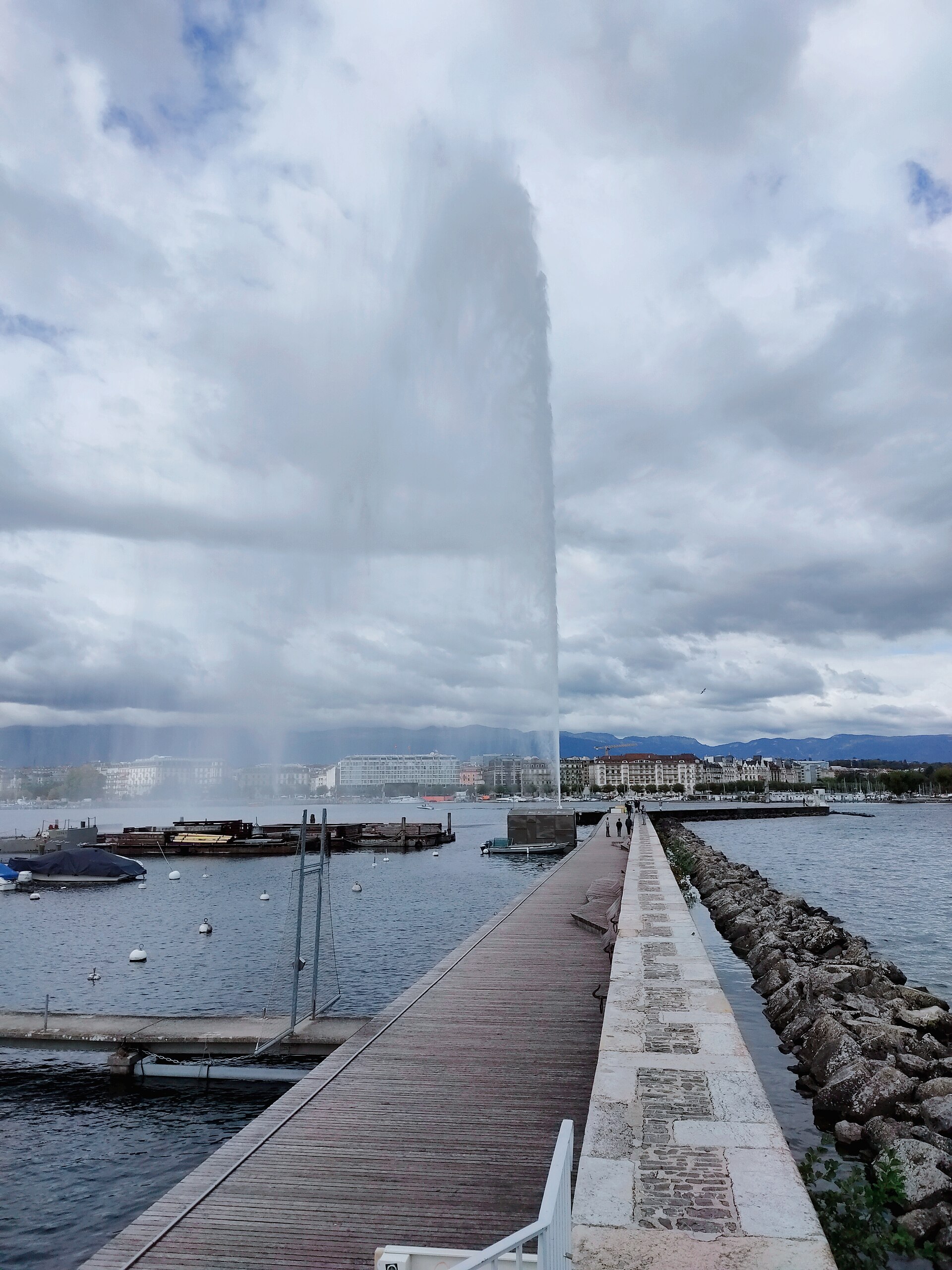
Switzerland has no coastline, no oil wells and no great grain fields. Yet a huge share of the world’s oil, grain, coffee and metals is bought and sold by traders sitting in Geneva and a few other Swiss towns. By most estimates, firms based in Switzerland handle something like a third of the world’s traded crude oil, and even larger shares of some metals and farm goods. For a small, landlocked country, that is a remarkable grip on the stuff that keeps the world running.
A landlocked city that trades the world’s cargo
Commodity trading is not about owning ships or ports. It is about matching a cargo of oil leaving one country with a buyer in another, financing the deal, insuring it, and carrying the risk in between. That work happens in offices and on trading floors, and Geneva has one of the densest clusters of them anywhere. The names are not household ones, Vitol, Mercuria, Trafigura, Gunvor, Cargill, Glencore, but between them they move an astonishing volume of the world’s raw materials. A Swiss government estimate once put the country’s share of global crude trade at over a third.
Why the traders chose Switzerland
Why Geneva, of all places? The reasons rhyme with the rest of Swiss finance. The country is stable and neutral, which matters when you trade with every side of every conflict. It has the banks that know how to finance a cargo worth hundreds of millions of dollars. Its taxes are low and its cantons flexible. And once a few big traders settled there, the lawyers, financiers and skilled staff followed, and the cluster fed itself.
That concentration has drawn hard questions. Because the trade is largely private and lightly reported, campaigners have long argued that Swiss-based traders should face tougher scrutiny over where their oil and metal come from, and who profits in poor, resource-rich countries. The criticism is real, and Switzerland has slowly tightened its rules.
The hopeful reading is that the spotlight is itself a product of the scale. Because so much of the trade runs through Switzerland, the pressure to clean it up concentrates there too, and reforms made in Geneva ripple out to oilfields and mines far away. A landlocked country ended up as a crossroads for the world’s raw materials, and with that position comes a chance, slowly being taken, to set the standards for how they are traded.
Sources
- Commodities trading in Switzerland, aboutswitzerland (Swiss Federal DFAE)
- Switzerland: the commodities hub, Public Eye
- Mercuria, Wikipedia